
Understanding Sports Broadcasting
Definition and Importance of Sports Broadcasting
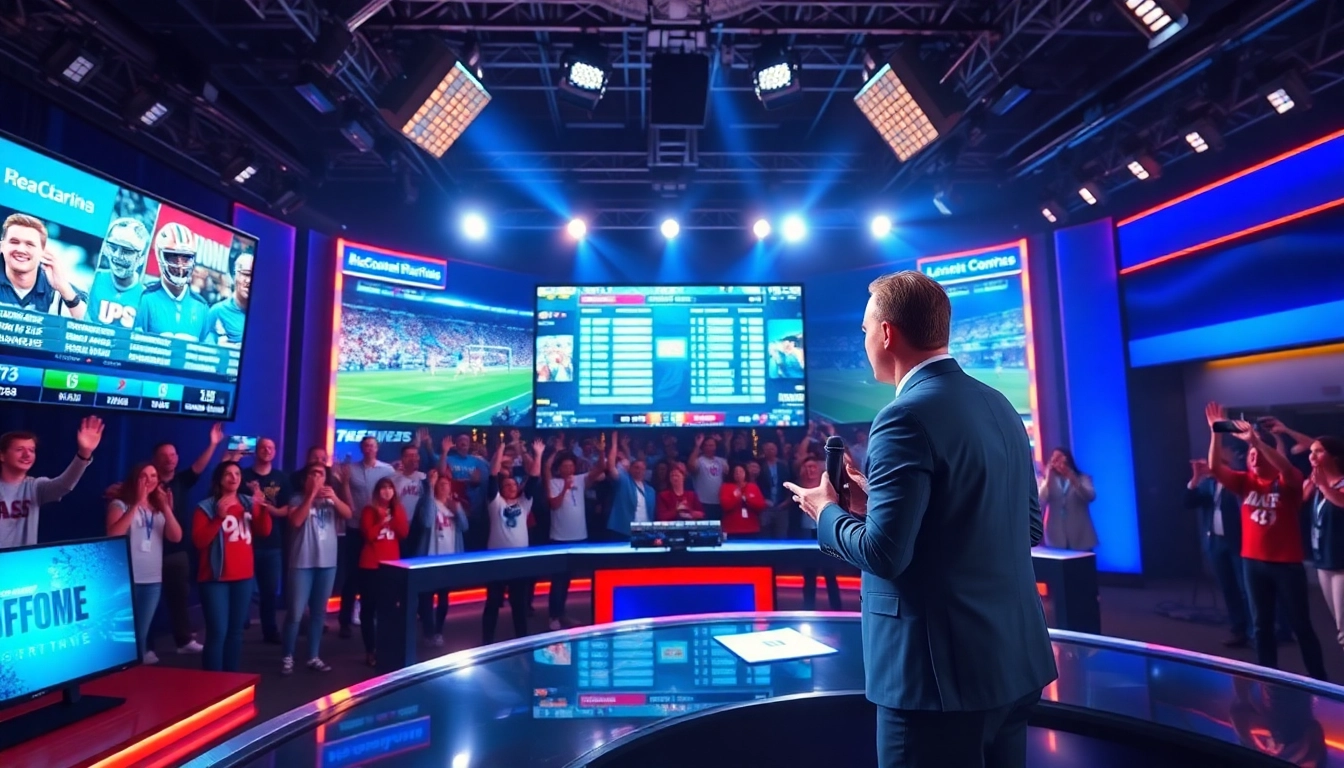
Sports broadcasting is the process of transmitting live sports events or related content to a wide audience through various media platforms, primarily television, radio, and online streaming. It serves not only to entertain fans but also to promote the sports industry, effectively creating a cultural phenomenon. Given its role in shaping public perception of sports, Sports Broadcasting is crucial for engaging audiences and driving fan loyalty.
Evolution of Sports Broadcasting in the Digital Age
The evolution of sports broadcasting has been profoundly influenced by technological advancements. Initially, radio dominated the market, providing fans with commentary and updates. The introduction of television brought visual elements into play, enhancing the viewer experience. In the digital age, the rise of streaming services and social media platforms has transformed how audiences consume sports. Today, fans expect on-demand content, interactive experiences, and personalized viewing options, pushing broadcasters to adapt quickly to stay relevant.
Key Elements of Effective Sports Broadcasting
Effective sports broadcasting hinges on several key elements: high-quality production values, expert commentary, real-time analysis, and viewer engagement strategies. It requires a seamless combination of technology, storytelling, and audience connection. Broadcasters must invest in training commentators and analysts who can convey the excitement and nuances of the game, enhancing the overall viewer experience.
Tools and Technologies in Sports Broadcasting
Overview of Broadcasting Equipment
Modern sports broadcasting relies heavily on advanced equipment. Cameras, microphones, and broadcasting software are essential for capturing high-quality images and sound. Multi-camera setups provide different angles, enhancing viewer engagement. Additionally, tools like instant replay systems and graphics generators help analysts deliver insightful commentary and in-depth analysis, further captivating the audience.
Software Solutions for Seamless Broadcasts
Broadcasting software plays a pivotal role in managing live events. Solutions for live streaming, video editing, and graphics overlay help streamline the broadcasting process. Applications that integrate social media interactions can enrich viewer experiences by allowing real-time feedback and discussion. Moreover, data analytics tools provide insights into audience behavior, helping broadcasters tailor content to viewer preferences.
Innovations Shaping the Future of Sports Broadcasting
Innovations such as augmented reality (AR) and virtual reality (VR) are reshaping the future of sports broadcasting. These technologies offer immersive experiences, enabling viewers to feel as if they are part of the action. Drones provide unique aerial perspectives, while AI-powered analytics help predict game outcomes and devise strategies. Adopting these innovations will be key to remaining competitive in the rapidly evolving broadcasting landscape.
Best Practices for Sports Broadcasting
Crafting Engaging Content for Viewers
Crafting engaging content is essential for keeping viewers hooked. This involves not only the presentation of live events but also creating pre- and post-game shows, interviews, and behind-the-scenes footage. Storytelling is vital; broadcasters should weave narratives that resonate with audiences, featuring player stories and rivalries that build emotional connections with viewers.
Effective Communication Techniques in Broadcasting
Effective communication is crucial for broadcasters. They must balance informative commentary with entertainment, ensuring viewers remain engaged. Techniques include using clear and concise language, maintaining an enthusiastic tone, and reacting authentically to live events. Interactive segments, such as viewer polls and social media integration, can enhance communication and make the audience feel more involved.
Understanding Audience Metrics and Preferences
Understanding audience metrics is integral for broadcasters. By analyzing viewership data, demographic insights, and engagement statistics, broadcasters can tailor their content to meet the preferences of their audience. Regular feedback and evaluations allow broadcasters to optimize their strategies, enhancing viewer satisfaction and loyalty. Engaging with fans on social media platforms also provides valuable insights into audience preferences.
Challenges in Sports Broadcasting
Common Issues Faced by Broadcasters
Sports broadcasting faces several challenges, including technical difficulties, competition for viewer attention, and fluctuating audience engagement levels. With numerous platforms vying for attention, attracting and retaining audiences has become increasingly complex. Additionally, managing live event logistics, timing, and unexpected incidents, such as player injuries or technical failures, present ongoing difficulties.
Strategies to Overcome Broadcast Challenges
To overcome broadcasting challenges, companies must invest in robust technology that minimizes the risk of failure. Regular training for staff on new tools and techniques can help mitigate problems. Developing a comprehensive backup plan for technical issues ensures smooth broadcasts. Engaging content creation and collaboration with influencers can also help draw in audiences and maintain engagement during challenging times.
Ensuring Compliance and Ethical Standards
Compliance with regulatory standards and ethical practices is paramount in sports broadcasting. Broadcasters must navigate licensing agreements, copyright laws, and advertising regulations. Upholding ethical journalism practices, such as accurate reporting and avoiding sensationalism, fosters audience trust and credibility. Regular training on these aspects ensures the broadcasting team remains informed and compliant.
Future Trends in Sports Broadcasting
The Impact of Streaming Services on Sports Broadcasting
Streaming services have revolutionized sports broadcasting by offering viewers flexibility and choice. With the ability to watch games on-demand, audiences can customize their viewing experiences, challenging traditional broadcasting models. As more fans turn to these platforms, broadcasters must strategically partner with streaming services to expand their reach and adapt to changing viewer habits.
Integrating AI and Automation in Broadcasts
AI and automation are transforming sports broadcasting by enhancing efficiency and personalization. Automated systems can handle real-time analytics, suggesting key moments for highlights, while AI-generated insights can tailor content to specific audience segments. This shift not only improves operational efficiency but also enriches viewer experiences by delivering relevant information and engaging narratives.
Predictions for the Future Audience Experience
The future of sports broadcasting promises a more immersive audience experience. With technologies like VR and AR set to become mainstream, fans will have more interactive viewing options, such as virtual stadium experiences. Enhanced data visualization techniques will present statistics in imaginative ways, and personalized content delivery will ensure that viewers receive tailored information, driving increased engagement and loyalty.
FAQs about Sports Broadcasting
What is sports broadcasting?
Sports broadcasting refers to the transmission of live sports events or related content to audiences via television, radio, or online streaming services.
How has technology changed sports broadcasting?
Technology has introduced advancements like streaming services, high-definition broadcasting, and interactive features, significantly improving viewer engagement and experience.
What challenges does sports broadcasting face?
Challenges include technical difficulties, competition for viewer attention, fluctuating engagement levels, and adherence to compliance and ethical standards.
How do audience metrics impact sports broadcasting?
Audience metrics help broadcasters understand viewer preferences and behaviors, allowing content tailoring and optimization for better engagement and retention.
What are future trends in sports broadcasting?
Future trends include greater integration of streaming services, AI and automation, and the use of immersive technologies like AR and VR for enhanced audience experiences.
